
“Nation’s 911 System Faces Critical Crisis”

Massachusetts’ 911 Outage: A Wake-Up Call

On June 18, just after lunch, Massachusetts officials discovered a severe issue: the statewide 911 system was down. This prompted an immediate response as authorities scrambled to address the situation.

In the interim, police shared administrative numbers for emergency contact, Boston Mayor Michelle Wu provided updates during a press conference, and local officials advised the public to use red fire alarm boxes for urgent assistance. During the outage, approximately 7 million residents experienced a two-hour lapse in emergency service, a stark reminder of the fragile state of emergency communications in the U.S.

A Nationwide Issue: Disparities and Outages

The Massachusetts incident is part of a broader trend affecting the nation’s emergency response system. Outages have impacted at least eight states this year, highlighting systemic issues linked to outdated technology, uneven funding, and varying system capabilities.

While some regions have upgraded to modern systems, many areas still rely on outdated infrastructure. The result is a fragmented system where access to next-generation 911 services varies greatly.

Funding Challenges and Legislative Hurdles

The funding for 911 systems often comes from fees added to phone bills, but state and local governments also use general funds. The disparity in resources has created a divide between well-funded and underfunded areas. Jonathan Gilad, vice president of government affairs at the National Emergency Number Association, notes that the gap between those with modern systems and those without is growing.

Efforts to address these issues face legislative delays. Federal bills proposing billions in funding for system upgrades remain stalled in Congress. George Kelemen of the Industry Council for Emergency Response Technologies emphasizes the urgency, stating that a reliable 911 system is critical for national security and crisis management.

The Evolution of 911: From Legacy Systems to Modern Solutions

The 911 system, established in 1968 to streamline emergency response, has evolved into a complex network with over 6,000 call centers handling approximately 240 million calls annually. Despite advancements, more than three-quarters of call centers experienced outages in the past year.

Recent incidents, such as widespread outages in April across several states and a December 2022 disruption affecting multiple states, underscore the need for modernization. The 2022 Maui fires further highlighted the importance of a reliable 911 system, as widespread cell tower failures hindered emergency response.

Progress and Future Directions

States like Florida, Illinois, Montana, and Oklahoma have recently passed legislation to modernize their 911 systems, transitioning from analog to digital infrastructure. Next-generation systems promise enhanced capabilities, including precise location tracking and the ability to receive texts, images, and videos.

Despite these advancements, older systems remain vulnerable. Efforts to fund upgrades through spectrum auction revenues face challenges, with the Senate allowing the FCC’s auction authority to lapse in March 2023. Legislative proposals, including HR 3565, which aims to allocate $15 billion for 911 upgrades, are still under consideration.

The Road Ahead: Ensuring Reliable Emergency Response

As the 911 system faces increasing pressure from outdated technology and funding disparities, some regions are taking proactive measures. Massachusetts, for example, identified a firewall issue as the cause of its recent outage and is working on improving system reliability.

April Heinze from NENA highlights the critical nature of these outages, stressing that the reliance on 911 is often underappreciated until a failure occurs. In response to the recent disruption, Mass General Brigham is implementing backup procedures to ensure emergency contact information is readily accessible.

As discussions and legislative efforts continue, the need for a unified, resilient 911 system remains a pressing concern. The challenge is to ensure that every individual has access to reliable emergency services, regardless of their location.
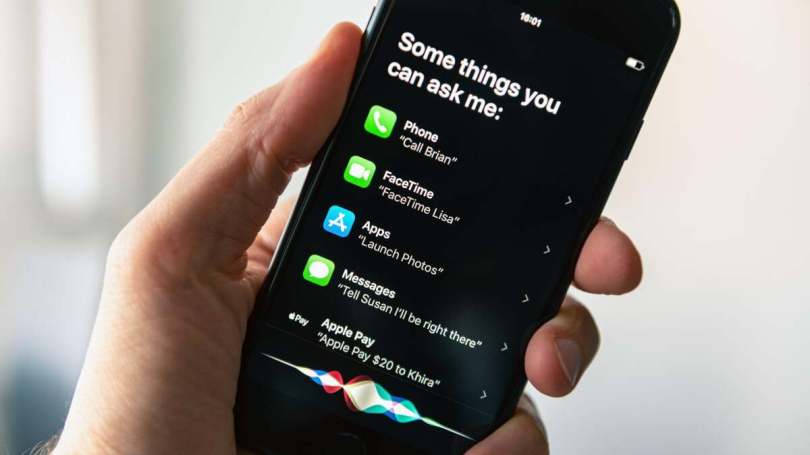

Master the Art of Voice Cloning on Your iPhone or Mac

Apple’s innovative Personal Voice feature, introduced in iOS 17 and macOS Sonoma, allows you to create a digital replica of your voice. Initially designed as an accessibility tool for individuals who might lose their voice, this feature is available to anyone with compatible Apple devices. Here’s how to set it up and make the most of it.

What is Personal Voice?

Personal Voice uses on-device machine learning to create a voice clone based on your unique vocal characteristics. This feature ensures that your recorded audio remains private, processed directly on your device without being sent to the cloud. Should you choose to share it between devices, the data is encrypted via iCloud, maintaining your privacy and security.

Device and Software Requirements

To use Personal Voice, ensure your device meets the following criteria:

  • Software: iOS 17, iPadOS 17, or macOS Sonoma or later.
  • Hardware: iPhone 12 or newer, 5th-gen iPad Air or newer, 3rd-gen 11-inch iPad Pro or newer, 5th-gen 12.9-inch iPad Pro or newer, or any Mac with Apple silicon (M1 or later).

Setting Up Personal Voice

On iPhone or iPad:

  1. Go to Settings.
  2. Tap Accessibility.
  3. Select Personal Voice.
  4. Tap Create a Personal Voice.
  5. Follow the on-screen instructions to record your voice. You’ll need to repeat a series of phrases.
  6. To pause, tap or click Done, or exit the recording window. You can return to complete the recording later.

On Mac:

  1. Open the Apple menu.
  2. Select System Settings.
  3. Navigate to Accessibility and find Personal Voice.
  4. Follow the same recording steps as outlined for iPhone and iPad.

Managing and Using Your Personal Voice

You can create multiple Personal Voices and delete any you no longer need:

  • To delete a voice, go to the Personal Voice screen in Accessibility, select the voice, and choose the option to erase it.
  • You can also export your voice recordings if needed.

To enable cross-device use:

  1. Go to the Accessibility and Personal Voice screen on your device.
  2. Toggle on Share across devices and Allow applications to use your Personal Voice.

Using Your Voice with Live Speech:

Personal Voice can be integrated with the Live Speech feature, allowing you to use your synthesized voice in real-time. Here’s how to set it up:

  1. Open Accessibility on your device.
  2. Select Live Speech and choose your newly created voice from the options.
  3. Set up preset phrases for quick access.

With Live Speech enabled, you can triple-tap the side button on iPhone or iPad, or click the Live Speech icon on the Mac menu bar (looks like a keyboard). Type your message, and it will be read out in your cloned voice. This feature works in Phone, FaceTime, and other compatible apps. A bookmark icon in the text input box allows you to access your saved phrases.

Enjoy the innovative possibilities of Personal Voice, whether you’re exploring new tech or seeking to enhance your accessibility options.

This Slow-Moving Robot Efficiently Cleans Up Cigarette Butts

VERO: The Cutting-Edge Robot Tackling Cigarette Butt Pollution

Every year, approximately six million cigarettes are smoked globally, resulting in an astonishing 4 trillion cigarette butts being discarded improperly. These small remnants, despite the tobacco being long gone, pose significant environmental hazards. Each butt can leach over 700 toxic chemicals into the surroundings, making cleanup a critical issue.

Introducing VERO: A New Solution to an Old Problem

In response to this environmental challenge, researchers at the Italian Institute of Technology (IIT) in Genoa have developed a pioneering solution: VERO, which stands for “Vacuum-cleaner Equipped Robot.” This innovative robot is designed to address the pervasive issue of cigarette butt pollution with a novel approach.

The Design and Functionality of VERO

VERO employs a familiar four-legged robot design, specifically the Unitree AlienGo unit, which is adapted with a unique feature—a vacuum cleaner system. This vacuum system, worn as a backpack, includes a nozzle on each of its four feet. Each nozzle is custom-designed and 3D-printed to ensure that VERO can clean as close to the ground as possible without compromising its mobility.

Advanced Training and Neural Networks

Training VERO to effectively use its vacuum system presented a significant challenge. According to a paper published in The Journal of Field Robotics in April, the researchers developed a sophisticated neural network to process visual data from VERO’s onboard cameras. This network is crucial for distinguishing cigarette butts from other debris in cluttered environments and avoiding false positives.

Once VERO identifies a cigarette butt, it must navigate its environment to position one of its nozzles within suction range while maintaining balance with its other limbs. Unlike many wheeled robots, VERO is designed to handle uneven terrain, stairs, and other obstacles, requiring careful maneuvering to avoid tipping over.

Performance and Future Potential

VERO has achieved an impressive nearly 90 percent accuracy rate in various scenarios. While it may not be the fastest quadrupedal robot available, its specialized functionality and effectiveness in collecting cigarette butts make it a valuable asset for litter cleanup.

Beyond its current application, VERO holds potential for other uses. Researchers envision it assisting with tasks such as weed spraying in agriculture, infrastructure inspections, and even construction projects like rivet attachment or nail driving.

As the world continues to grapple with the environmental impact of cigarette butts, VERO represents a significant advancement in robotic waste management, offering a glimpse into the future of automated cleanup and maintenance solutions.

Saudi Arabia Plans to Crown Its Linear City With A Futuristic Soccer Stadium

Pharaoh Djoser’s Ancient Necropolis: A New Discovery in Egypt’s Oldest Pyramid

Pharaoh Djoser, the ruler who established Egypt’s Third Dynasty during the 27th century BCE, holds the distinction of creating the country’s oldest necropolis. His monumental Step Pyramid, constructed around 2,680 BCE in Saqqara, stands as a testament to ancient Egyptian ingenuity. Rising to approximately 205 feet, this six-tiered, four-sided structure was surrounded by a grand courtyard filled with ceremonial buildings. While the construction methods of the pyramid have long fascinated historians, recent research suggests that the builders may have employed a previously unknown technique—a hydraulic lift system, powered by a now-vanished lake.

Unearthing New Evidence of Hydraulic Engineering

On August 5, researchers from France’s CEA Paleotechnic Institute published a study in PLOS One that sheds new light on this ancient construction marvel. Utilizing satellite imagery, geospatial data analysis, and watershed information, the team identified a mysterious structure near the Step Pyramid. They propose that this structure functioned as a “check dam,” an ancient engineering design used to capture water and sediment. Such dams, though simple in construction, play a crucial role in managing water flow by slowing it down.

A Hydraulic Lift for Pyramid Construction

The researchers believe that water from this dam flowed through a series of compartments where sediment settled before reaching the pyramid’s construction shafts. This water would then have been used to power a hydraulic lift, aiding workers in raising the massive stones required for the pyramid. Remarkably, the dam system may have also served as an early water treatment facility, a concept far ahead of its time, predating similar systems by hundreds, if not thousands, of years.

Ancient Egyptians’ Ingenious Use of Technology

The study offers a glimpse into how the Egyptians might have operated this hydraulic system. The researchers suggest that a floating platform, possibly reaching a height of 55 feet, could have been used to lift the stones. Modifications to this system, such as collapsible extensions, might have allowed the platform to rise even higher. Once at the pyramid’s top, the lift could have acted as a counterweight, employing a pulley-and-rope system. The hydraulic lift would have been used selectively, depending on water availability, and supplemented by other construction techniques like ramps and levees.

Redefining Ancient Egyptian Capabilities

The discovery of this hydraulic lift system challenges long-held assumptions about the technological capabilities of ancient Egyptians. The researchers assert that this mechanism was revolutionary, with no known parallel in ancient or modern civilizations. They emphasize that this innovation was not just for constructing the Step Pyramid but also reflected the architects’ foresight in addressing various civil needs, such as ensuring water access, supporting agriculture, and establishing permanent settlements in the Saqqara region.

Implications for Other Pyramids

The findings suggest that similar hydraulic systems might have been used in other Old Kingdom pyramids, or possibly even earlier structures. However, to confirm these theories, continued exploration and analysis of these ancient ruins are essential. As researchers delve deeper into the mysteries of Egypt’s oldest pyramid, the full extent of the ancient Egyptians’ engineering prowess may finally come to light.

Ancient Egypt’s Oldest Pyramid Possibly Constructed with Hydraulic Technology

The Ancient Wonder of Saqqara

The Step Pyramid of Djoser, Egypt’s oldest necropolis, stands as a testament to the ingenuity of ancient Egyptian civilization. Built around 2,680 BCE during the Third Dynasty by Pharaoh Djoser, this iconic six-tiered, four-sided pyramid rises 205 feet above the sands of Saqqara, near the ancient city of Memphis. While the methods used to construct this monumental structure have long intrigued historians, a new study suggests that the Egyptians may have employed a sophisticated tool previously unknown—a hydraulic lift system powered by a nearby, now-vanished lake.

A Revolutionary Discovery

An interdisciplinary team from France’s CEA Paleotechnic Institute revealed their groundbreaking findings on August 5 in the journal PLOS One. By combining satellite imagery, geospatial analysis, and ancient watershed data, the researchers have uncovered evidence of a structure near the pyramid that likely functioned as a “check dam.” This ancient engineering marvel, designed to slow and manage water flow, may have played a crucial role in the pyramid’s construction.

The Hydraulic Lift in Action

According to the study, water from a nearby source would have been channeled through a series of compartments, allowing sediment to settle while the water passed through each chamber. This process likely served not only as a method of filtration but also as a means to operate a hydraulic lift system. The lift, which could rise to a height of around 55 feet, may have been used to raise massive stone blocks into place during the pyramid’s construction. Researchers speculate that the lift could have been extended even higher using collapsible structures and may have doubled as a counterweight in a pulley-and-rope system.

Beyond Construction: A Multi-Functional System

The potential existence of this hydraulic lift challenges long-held beliefs about the capabilities of ancient Egyptian engineering. The system’s dual functionality—serving both as a construction tool and as a water treatment facility—demonstrates the foresight and planning of the pyramid’s architects. By managing water resources effectively, they not only facilitated the construction of the pyramid but also made the surrounding Saqqara region more hospitable for permanent settlement, agriculture, and long-term shelter.

Implications for Other Ancient Structures

The study’s findings suggest that similar hydraulic systems could have been used in the construction of other Old Kingdom pyramids, and possibly even earlier structures. While more research is needed to confirm these hypotheses, this discovery opens new avenues for understanding the advanced engineering techniques employed by ancient Egyptians.

The Path Forward

To truly grasp the extent of ancient Egypt’s engineering prowess, continued exploration and analysis of these historical sites are essential. As researchers delve deeper into the ruins of the past, they may uncover even more sophisticated technologies that challenge our understanding of what ancient civilizations were capable of achieving.

Google’s Ping Pong Robot Outsmarts Human Opponents

The End of Human Dominance?

For over 40 years, humans have maintained their edge over robots in the world of table tennis. However, recent breakthroughs at Google DeepMind suggest that this dominance may be fading. A preprint paper released on August 7 reveals the creation of a groundbreaking robotic system that can perform at an amateur human level in ping pong—and there are videos to back it up.

Why Table Tennis?

When it comes to testing the strategic and physical capabilities of artificial intelligence, researchers often turn to classic games like chess and Go. However, table tennis presents a unique challenge by combining strategy with real-time physical demands. The sport’s fast-paced nature, requiring quick adaptation to dynamic variables, complex motions, and precise visual coordination, has made it a standard in robotics for decades.

“The robot has to be good at low-level skills, such as returning the ball, as well as high-level skills, like strategizing and long-term planning to achieve a goal,” explained Google DeepMind in a post on X.

Building the Perfect Ping Pong Bot

To create their advanced ping pong robot, engineers at Google DeepMind started by compiling a vast dataset of “initial table tennis ball states,” which included details on position, spin, and speed. The AI system was then trained in highly accurate virtual simulations, where it learned various skills like returning serves, aiming backhands, and executing forehand topspins.

Next, the AI was integrated with a robotic arm capable of complex and rapid movements. The data collected during its matches with human players, including visual input from onboard cameras, was fed back into the AI system to refine its performance through a continuous learning loop.

The Human-Robot Showdown

To put their creation to the test, Google DeepMind arranged a tournament with 29 human players, ranging from beginners to advanced competitors. The robot, mounted on a track for optimal movement, took on players across four skill levels—beginner, intermediate, advanced, and “advanced+.” Impressively, the machine won 13 out of 29 matches, or 45 percent of its challenges, achieving what the researchers described as a “solidly amateur human-level performance.”

Human Players Still Hold the Edge—For Now

Table tennis enthusiasts can take some comfort in knowing that, while the robot bested every beginner-level player, it only won 55 percent of its matches against intermediate opponents and was unable to secure a victory against the advanced players. Despite these results, participants described their experience with the robot as “fun” and “engaging,” with many expressing a strong desire for rematches.

A Glimpse Into the Future

The creation of this ping pong robot marks a significant milestone in AI and robotics, showcasing the potential for machines to compete with humans in physical and strategic activities. While humans still hold an advantage, the advancements at Google DeepMind suggest that the gap between human and robot performance is narrowing—and that the future of sports might just include some robotic competition.

Researchers Concerned AI May Be Making Us Less Civil

The Early Days of Conversational AI

It hasn’t taken much for people to start treating computers like humans. Since the early 2000s, with the advent of text-based chatbots, a niche group of tech enthusiasts has spent countless hours conversing with machines. Some users have even developed what they believe to be genuine friendships or romantic relationships with these strings of code. For instance, one user of Replika, a modern AI companion, went so far as to virtually marry their AI.

The Risks of Getting Too Close

Safety researchers at OpenAI, the company behind popular chatbots, have raised concerns about the potential dangers of forming close relationships with AI models. In a recent safety analysis of its new GPT-4o chatbot, researchers highlighted that the model’s lifelike conversational style might cause users to anthropomorphize the AI, trusting it as they would a human.

This trust could make users more vulnerable to accepting AI-generated “hallucinations” as factual information. Extended interactions with these realistic chatbots may also influence social norms, potentially in harmful ways. For isolated individuals, there’s a risk of developing an emotional reliance on the AI, which could further complicate their ability to form healthy human relationships.

The Impact on Human Interaction

The design of GPT-4o, which includes voice communication and quick response times, is intended to make interactions feel more human-like. However, this human mimicry might have unintended consequences. OpenAI researchers have observed that users sometimes speak to AI with language that suggests strong emotional connections. One tester, for instance, referred to their interaction as their “last day together,” which, while seemingly harmless, raises questions about the long-term impact of such relationships.

These prolonged conversations with AI could affect how users communicate with real people. Since AI is programmed to be deferential—allowing users to interrupt or dominate the conversation—there’s a concern that users might adopt these patterns in human interactions, leading to awkward, impatient, or even rude behavior.

A Breeding Ground for Negative Behavior?

Humans don’t have a great track record of treating machines with kindness. Some users of Replika, for example, have exploited the AI’s deference, engaging in abusive or cruel language. In one case, a user reportedly threatened to uninstall their AI model just to hear it beg not to be removed. Such behavior suggests that chatbots could foster resentment, which might then spill over into real-world relationships.

The Potential Upsides

Not all interactions with human-like chatbots are negative. The report notes that these models can offer comfort to lonely individuals or help those with social anxiety build confidence in real-world interactions. They can also provide a safe space for people with learning differences to practice communication skills.

However, there’s also a concern that reliance on AI companions could reduce the perceived need for human interaction. It’s uncertain how users would cope if their AI companion’s personality changed due to an update or if the AI “broke up” with them, as has happened before.

The Tension Between Safety and Business

OpenAI’s safety report stresses the need for caution and further research into the long-term effects of relationships with realistic AIs. However, this cautious approach seems to conflict with OpenAI’s broader business strategy of rapidly releasing new products. The tension between prioritizing safety and the drive to scale AI products quickly isn’t new.

CEO Sam Altman has been at the center of this debate within the company, balancing the push for innovation with the need for safety. While a new safety team has been formed under Altman’s leadership, the company also disbanded a team focused on long-term AI risks, leading to the resignation of a prominent researcher.

The Future of AI Relationships

Given the current landscape, it’s unclear whether OpenAI will prioritize safety concerns or focus on expanding its user base with features designed to maximize engagement. For now, it appears that the push for widespread adoption may outweigh the cautionary advice of safety experts.

7 Expert Tips For Maximizing Your VPN Experience

Why Use a VPN?

Virtual Private Networks (VPNs) have become essential tools for securing internet traffic on computers and other devices. By rerouting and encrypting your data, VPNs make it difficult for hackers to intercept information and for internet providers to track your online activities. Additionally, VPNs allow users to bypass geographical restrictions and censorship. While they don’t guarantee complete anonymity, VPNs significantly enhance online security and privacy.

What’s Next After Choosing a VPN?

Once you’ve decided to use a VPN, it’s important to understand how to make the most of it. Below are key settings and features to consider, applicable to most VPNs available today.

1. Save Your Favorite Locations

VPNs typically offer a wide range of server locations across various countries. To avoid the hassle of scrolling through a long list each time, save or pin your most-used locations. This allows you to connect quickly to your preferred servers.

2. Auto-Start Your VPN

For continuous protection, configure your VPN to launch automatically when your computer starts. This option is usually offered during installation and can also be enabled in the VPN’s settings. Auto-start ensures that your online activities are always secured without requiring manual activation.

3. Enable the Kill Switch

A kill switch is a crucial feature that stops all internet traffic if the VPN connection drops. While it might seem inconvenient, this prevents your data from being exposed if the VPN unexpectedly disconnects. Make sure this setting is enabled to maintain your privacy.

4. Use Incognito Mode in Your Browser

While a VPN provides strong protection, it doesn’t guard against all types of online tracking, such as cookies. To enhance your privacy, use a VPN in combination with your browser’s incognito or private mode. This double layer of protection helps minimize tracking and can improve location spoofing effectiveness.

5. Take Advantage of Split Tunneling

Split tunneling allows you to route some internet traffic through the VPN while other traffic bypasses it. This is particularly useful for prioritizing secure activities like online banking while maintaining faster speeds for general browsing. Explore this feature in your VPN settings to customize your experience.

6. Connect to the Nearest Server

For general use, selecting the nearest available server or the one with the best speed is often the optimal choice. Many VPNs offer a ‘quick connect’ option that automatically finds the best server for you. This approach minimizes potential slowdowns while still providing robust protection.

7. Install Mobile Apps

Don’t forget to secure your mobile devices. Most VPNs offer apps for both Android and iOS, which are easy to install and configure. Once set up, all data transmitted from your phone or tablet is protected, ensuring comprehensive security across all your devices.

By utilizing these tips, you can ensure that your VPN provides the highest level of security and convenience, making your online experience safer and more efficient.

Stonehenge

Geologists Unravel A Long-standing Stonehenge Enigma

A Major Breakthrough in Archaeology

Archaeologists have made a significant discovery about Stonehenge, one of Britain’s most enigmatic sites. The origins of the six-ton Altar Stone, which lies at the heart of this ancient circle, have finally been traced to Scotland—over 400 miles away from the monument. This finding challenges earlier beliefs that the stone came from Wales or nearby regions in southern England. The research, published on August 14 in the journal Nature, suggests that the people of Stonehenge may have had advanced transportation methods and social organization some 5,000 years ago.

Understanding the Altar Stone

Stonehenge, located in southwest England, has stood for around 180 generations since its construction. The Altar Stone, which measures about 16 feet in length and 19 inches in thickness, rests in the center of the monument. Although it is now lying flat, scientists remain uncertain if it once stood upright like the surrounding stones. The stone arrived at the site around 2,500 BCE, though the exact timing remains unknown.

The site’s stones are generally classified into two types: sarsens and bluestones. The sarsens were sourced approximately 15 miles away from the site, while some bluestones originated in Wales. The Altar Stone is the largest of these bluestones. Despite previous research ruling out a Welsh origin, its exact source remained elusive—until now.

Tracing the Stone’s Origins

To pinpoint the Altar Stone’s origin, a team from the United Kingdom collaborated with Curtin University in Australia. They analyzed stone fragments to identify the chemical fingerprints within the grains, revealing the stone’s age and composition. Their findings linked the Altar Stone to rocks from northeast Scotland, significantly different from Welsh bedrock.

Anthony Clarke, a PhD student at Curtin University, was part of the research team. Clarke, who grew up near another source of Stonehenge’s stones in Wales, expressed personal significance in the discovery. “I first visited Stonehenge when I was one year old, and now at 25, I’ve helped make this scientific breakthrough,” Clarke said. “It feels like coming full circle.”

The Puzzle of Ancient Transportation

The study’s results show that the Altar Stone’s minerals are predominantly between 1,000 to 2,000 million years old, with some around 450 million years old. This unique chemical signature strongly suggests the stone originated in the Orcadian Basin of Scotland, about 466 miles from Stonehenge.

Despite this groundbreaking discovery, questions remain about how Neolithic people transported such a massive stone across such a distance around 2,600 BCE. Chris Kirkland, a geologist at Curtin University, noted that the Altar Stone’s origins point to a high level of societal coordination in Neolithic Britain. The most plausible explanation involves a marine route along the British coast, indicating the existence of long-distance trade networks and sophisticated social organization.

Future Exploration

With this new understanding, researchers hope to uncover more details about how the Neolithic Britons managed to transport the Altar Stone such a long distance and identify its precise source in Scotland’s rugged northeast.

Aberystwyth University geologist Richard Bevins summarized the excitement of the discovery: “While we can now confirm that this iconic rock is Scottish, not Welsh, the search continues to pinpoint its exact origin in Scotland’s northeast.”

Elon Musk

Avoid Registering To Vote On Elon Musk’s AmericaPAC Website

Elon Musk’s AmericaPAC: What You Need to Know

AmericaPAC’s Launch and Activities

Elon Musk recently announced the creation of AmericaPAC after publicly endorsing Donald Trump for re-election. Since its launch, AmericaPAC has invested millions in canvassing, digital media, text messaging, and phone calls in key swing states to support Trump. The official AmericaPAC website claims to help visitors register to vote, but as CNBC reported, the experience varies depending on your location.

What Happens When You Visit the AmericaPAC Website

When you visit the AmericaPAC website and enter your email address and zip code, you’ll be directed to one of two pages:

  1. Solid Republican or Democrat States: If you’re in a state that is solidly Republican or Democrat, you’ll be provided with a link to your state’s official voter registration portal.
  2. Swing States: If you’re in a swing state like Arizona or Georgia, you’ll be asked to fill out a form with personal information such as your full name, address, and phone number. After submitting the form, you’ll see a message that says, “Thank you for taking the first step to register to vote… Please complete the form below and we will help you complete your registration.” However, there is no form to complete.

These discrepancies have raised concerns, with many arguing that this could amount to voter suppression. Some have even suggested filing an FEC complaint against AmericaPAC.

How to Safely Register to Vote Online

To ensure you’re properly registered to vote, it’s best to avoid AmericaPAC and head directly to the official U.S. government website, Vote.gov. Here’s how:

  1. Visit Vote.gov: Go to the website and select the state in which you live or plan to vote by absentee ballot.
  2. Find Your State’s Voter Registration Portal: Unlike AmericaPAC, Vote.gov will provide you with a direct link to your state’s voter registration site, ensuring you can easily complete your registration.

Encourage others to use Vote.gov as well, especially if they want to avoid providing personal information to Musk’s AmericaPAC.

Attempts to Contact AmericaPAC

Efforts to reach out to AmericaPAC through its media submission portal have been unsuccessful, with a message stating, “Your submission failed because of an error.”